Thursday, March 24, 2011

Biography of most famous magician Harry Houdini

Early Life
Throughout his life, Harry Houdini claimed that he was born April 6, 1874 in Appleton, Wisconsin. In fact, he was born with the name Ehrich Weisz on March 24, 1874, in Budapest, Hungary. His father was Mayer Samuel Weisz, a religious teacher, whose first wife had died in childbirth. Ehrich was a child of his second wife, Cecilia Steiner. How many children the couple had is unclear, although six of their children survived to adulthood. Hoping for a better life for his family, Mayer emigrated to America and changed the spelling of his last name to Weiss. Through a friend, he gained a job serving as a rabbi to a small Jewish congregation in Appleton, with an annual salary of $750. His family is believed to have followed him to America in 1876, when Ehrich was a toddler. Stories of Ehrich performing magic and escape tricks while in Appleton have never been verified. His mother claimed that as a child he learned to open locked cabinets to get at pies and sweets she had baked, but the story may be more legend than fact.
Mayer Weiss’s religious views were considered old-fashioned by the Appleton congregation and after a few years he was dismissed from his post. The family moved to Milwaukee when Ehrich was about eight, but times were difficult. From a young age, Ehrich sold newspapers and shined shoes to help support the family. When not working, Ehrich engaged in athletic activities and practiced acrobatic stunts. Ehrich claimed October 28, 1883 as the date of his first appearance before an audience. The nine year-old performed on a trapeze hung from a tree while wearing red socks made by his mother. He billed himself as “Ehrich, the Prince of the Air.”
At age 12, Ehrich ran away from home by hopping a freight car. The train took him to Kansas City, but where else he may have gone, and what he did during that time, is not known. A year later he re-joined his family, now living in New York City but still struggling to survive. Ehrich continued to work at a variety of jobs, including messenger, necktie cutter, and photographer’s assistant. At about this time, Ehrich and his younger brother Theo began to pursue an interest in magic. Ehrich’s idol was the great French magician Robert-Houdin. When Ehrich started performing magic before small groups, he added an “i” to the end of his hero’s name and called himself “Houdini.” The “Harry” is most likely an American version of his childhood nickname Ehrie.
Professional Career
Harry Houdini began his professional career at age 17 doing magic shows before civic groups, in music halls, at sideshows, and at New York’s Coney Island amusement park, where he sometimes performed 20 shows each day. For a time he worked with his brother Theo as The Houdini Brothers. This changed when Harry met Beatrice Raymond, a teenaged singer and dancer who was also attempting a career in show business. Harry and Bess married in 1894 and Bess joined the act as Harry’s new partner. (Theo started a solo career as a magician under the name Hardeen.) Harry and Bess remained devoted companions for the rest of his life. He depended on her to care for him and handle the necessities of life. Harry gave her the credit for his success, and developed the habit of writing her a love note every day.
In 1895, the Houdinis joined the Welsh Brothers Circus for six months. Harry did magic, Bess sang and danced, and together they performed a trick called “Metamorphosis,” in which they switched places in a locked trunk. Not satisfied with the small scale of the act, Harry continued to work on new tricks and to develop his speaking voice and showmanship. He also became an expert at handcuffs. Arriving in a new town, Houdini would claim the ability to escape from any handcuffs provided by the local police. His easy escapes provided excellent publicity for his shows. Houdini offered $100 to anyone who provided handcuffs from which he could not escape, but he never had to pay. Through his increasingly complex escapes and his shrewd use of publicity, Houdini became a headliner on the vaudeville circuit, playing in cities across the country. Not satisfied with that low level of fame, however, Houdini decided to gamble by taking his act to Europe.
In 1900, Harry and Bess sailed to England with no bookings and only enough money to survive a week. Houdini was able to get an engagement at a London theater, but his breakthrough came when he successfully broke free after being wrapped around a pillar and handcuffed at Scotland Yard. The publicity from that escape caused the theater to extend Houdini’s booking. His fame quickly spread and he eventually played there for six months. Sold-out engagements quickly followed in Germany and then throughout Europe. Wherever he went, Houdini called upon local police to restrain him, but he continually confounded the authorities and escaped. To increase publicity, he also jumped into rivers while handcuffed and chained. Allowing the suspense to build, Houdini remained underwater long after many observers were certain he couldn’t survive, only to spring up, waving the chains over his head.
By the time Houdini returned to the United States in 1905, he was an international celebrity. Among the stunts performed to publicize his American appearances, Houdini escaped from the prison cell that held the assassin of President James Garfield, squirmed from a straitjacket while hanging upside down, and broke free from a packing crate that had been nailed shut and immersed underwater. This showmanship also extended to his act. As a regular feature of his performances, Houdini was shackled and lowered into an oversize milk can filled with water and then hidden by a curtain. Though he was usually able to escape in three minutes, Houdini frequently stayed behind the curtain for up to a half hour, making his re-appearance all the more dramatic. On one occasion in England, Houdini allowed the milk can to be filled with beer rather than water. As someone who never drank alcohol, Houdini was not used to the effects of the beer and had to be pulled to safety by his assistants. It was one of his rare failures.
Houdini the Man
Houdini was able to perform his difficult feats by remaining in excellent physical and mental condition. He pushed himself relentlessly. To develop his capacity for holding his breath, Houdini installed an oversize bathtub in his house so that he could practice regularly. Through extensive training, he was able use his left hand nearly as well as his right. While casually chatting with friends, he would perform card and coin tricks without looking at his hands, or tie and untie knots in pieces of rope with his feet. Determined to stay on top of the entertainment field, Houdini refined techniques he had already mastered and continually developed new and more daring escapes.
As his reputation grew, Houdini assumed a leadership role among other magicians. He served as president of the Society of American Magicians and founded the Magician’s Club in London. Houdini was generous with other magicians, but jealous of anyone who attempted to duplicate his escapes. He wrote books and magazine articles that revealed some of magic’s simpler tricks, but carefully guarded his own secrets. Though known to be friendly and warm, Houdini had a large ego, could be touchy and petty at times, and frequently displayed a volatile tempter to his assistants.
In 1909, just six years after the Wright brothers proved that human flight was possible, Houdini became fascinated with airplanes. He bought his own plane, and learned to drive a car solely in order to get to the airport faster. In 1910, he became the first to successfully fly a plane in Australia. After that flight, however, his interest ended and he never piloted a plane or drove a car again. Houdini was also a great collector, with extensive collections of locks, magic memorabilia, autographs, historical items and, especially, books. Houdini collected so many books that he hired a full-time librarian to care for them, and traveled with hundreds at a time.
When America entered the First World War in 1917, Houdini tried to enlist in the army, but was rejected as being too old at age 43. Unable to fight, Houdini preformed free shows for service men, during which he would produce five dollar gold pieces from the air and toss them to the audience. He claimed to have distributed $7,000 in that manner. Houdini also organized shows in support of Liberty Bonds to help finance the war.
After the war, Houdini became an actor, appearing in a 13-part silent film serial called The Master of Mystery. The series was sufficiently successful that Houdini was hired to make two feature films. When those films performed poorly at the box office, Houdini blamed the movie company and opted to make his own movies. He formed a production company with his brother Theo, and controlled every aspect of his next two films, The Man from Beyond and Haldane of the Secret Service. Like his earlier movies, they featured daring stunts and escapes, but also like the earlier movies, they were not successful. Though some of the action sequences were thrilling, critics panned Houdini’s wooden acting and ineffective love scenes. He was so embarrassed at having to kiss another woman onscreen that he gave his wife five dollars every time he did so. Accepting defeat, Houdini gave up on the film business.
When not traveling, Harry and Bess lived in a large house they purchased in New York. The couple had no children, but Harry’s mother lived with them. Houdini was very close to his mother, and her death in 1913 was the greatest tragedy of his life. For weeks after her death, he made almost daily visits to the cemetery, sometimes lying on her grave to speak to her. “My mother was everything to me,” he said in a speech to the Magician’s Club. “It seemed the end of the world when she was taken from me…All desire for fame and fortune had gone from me. I was alone with my bitter agony…” Eventually, Houdini was able to return to work, but he continued to mourn his mother for the rest of his life.
Spiritualism
Partly as a result of his mother’s death, Houdini renewed an early interest in spiritualism, the so-called ability to communicate with the dead. Houdini wanted to believe that such communication was possible, but after many years performing magic, he was familiar with the methods employed by phony spiritualists to fool the public. Passing up better-paying opportunities, Houdini lectured on the subject of fraudulent spiritualists and unmasked many in the cities he visited. In his act, Houdini demonstrated many of the tricks used by spiritualists and wrote a best-selling book, A Magician Among the Spirits, which detailed their deceptions. Houdini had a standing offer of $10,000 to anyone who could produce a psychic effect that couldn’t be reproduced by natural means, but no one ever collected the money. Houdini so strongly opposed the phony spiritualists that he testified against them before a committee of Congress. “Please understand that, emphatically, I am not attacking a religion,” he said. “I respect every genuine believer in spiritualism or any other religion…But this thing they call spiritualism, wherein a medium intercommunicates with the dead, is a fraud from start to finish...In thirty-five years, I have never seen one genuine medium.”
Because of his interest in spiritualism, Houdini developed a friendship with Sir Arthur Conan Doyle, author of the Sherlock Holmes stories, who was a firm believer in spiritualism. Conan Doyle was convinced that psychic powers enabled Houdini to perform his stunning escapes, and refused to accept Houdini’s denials and explanations. Eventually their disagreement over spiritualism and psychic ability led to an estrangement. The friendship ended as they attacked each other publicly.
The Last Days
In the fall of 1926, Houdini took a new show on the road. It was an elaborate, two and half hour performance, requiring Houdini to be on stage almost the entire time. The show featured magic, a section debunking spiritualism, and escapes from a coffin and a Chinese water torture, which had become one of Houdini’s most famous stunts. In the Chinese water torture escape, Houdini’s hands and feet were bound and he was lowered, upside down, into a glass tank filled with water, which was then securely closed. In mid-October, the tour took a bad turn in Providence, Rhode Island when Bess contracted a case of food poisoning. Despite the presence of a nurse, Houdini was deeply worried about his wife and stayed awake all night at her side. By the time they reached the next stop, Albany, New York, Houdini had gone three nights without sleep, his only rest coming from brief naps. Then, during the Albany show, the frame holding his leg in place for the Chinese water torture jerked, causing his ankle to break. Used to performing with smaller injuries, Houdini refused medical care and insisted on completing the show, but was awake all night from the pain. The tour nonetheless proceeded to the next stop in Montreal, Canada.
Ignoring a doctor’s advice to stay off his foot, Houdini stuck to his schedule, including a lecture at McGill University. While there, Houdini met an art student who presented him with a sketch he had made of the great escape artist. Houdini invited the student to visit him backstage before the afternoon performance of his show. The next day, the student and two friends were chatting with Houdini in his dressing room when one of the students, an amateur boxer, asked if it was true that Houdini could withstand any blow to his body above the waist, excluding his face. Houdini admitted that it was true and, despite his weakened state due to his injury and lack of sleep, gave the student permission to test him. Houdini began to rise from the couch where he was seated, but before he had time to tighten his abdomen muscles, the student punched him three times in the stomach. Houdini fell back on the couch, his face white. Although in pain, Houdini performed his show that afternoon. The pain was worse in the evening, but Houdini refused to consult a doctor.
The next day, October 24, despite chills and sweating, Houdini performed two more shows before the company moved on to Detroit, Michigan. Once there, Houdini finally saw a doctor, who urged that he immediately go to the hospital. Houdini refused and, despite a temperature of 102, went on to give his usual performance that night. Only after completing the show did Houdini finally agree to enter the hospital. When doctors operated, they found that his appendix had burst, causing peritonitis, a usually fatal disease in this age before the development of antibiotics. Another operation was later performed, but Houdini was given little hope of surviving. Bess, meanwhile, still suffering from food poisoning, was checked into the same hospital. Believing he was near death, Houdini reportedly shared a secret message with Bess to be used as proof that he was communicating with her from beyond the grave. She would know it was really him if she heard the words “Rosabelle, believe.” “Rosabelle” was the name of a song that Bess had sung at Coney Island in the period when she met Houdini.
Houdini’s brother Theo was at his side when Houdini spoke his last words: “I’m tired of fighting…I guess this thing is going to get me.” Harry Houdini died on the afternoon of Halloween, October 31, 1926.
Houdini’s funeral was held in New York City, where thousands of mourners lined the streets as the funeral procession passed. A representative of the Society of American Magicians broke a wand at the services, beginning a new tradition that has been used for Society members ever since. Houdini was buried at the Machpelah Cemetery in Long Island, New York, beside his parents. Beneath his head was placed a pillow containing his mother’s letters.
Houdini’s collection of over 5,000 books was bequeathed to the Library of Congress. His brother Theo received most of his magic equipment and memorabilia. Theo continued to work as a magician under the name Hardeen; he died in 1945. The bulk of Houdini’s estate went to Bess, who, after paying Houdini’s extensive debts, had enough to live comfortably. For many years Bess tried to contact Houdini through a séance on the anniversary of his death, but died in 1943 without succeeding.

Sunday, March 20, 2011

The Principle of Thermostat

A thermostat is an appliance that regulates the temperature of a system so that the temperature of that system is kept at a particular desired temperature. This desired temperature is described as the 'set point' temperature. The thermostat operates by turning heating devices on or off, to maintain the temperature of a fluid at the set point temperature. The 'main' thermostat refers to the thermostat in a heating system that possesses only one thermostat.

Technological Sensor Methods

  • One of the key principles of a main thermostat, and indeed any thermostat, is the technological method by which the thermostat senses the ambient temperature. There are two main techniques by which thermostats can sense their surrounding temperature. These are bimetallic sensors and electronic thermistors. Bimetallic sensors use a strip of two metals joined together that have slightly different expansion rates in response to heat, this results in a bending of the bimetallic strip that can be used to break an electrical circuit at high enough temperatures. Electronic thermistors are an electronic component that increases its electrical resistance with increasing temperature, and as such can be used to break a circuit when a particular temperature is reached.

Feedback

  • Thermostats are based on the principle of feedback. The thermistor controls the output of a heating system. The heating system heats a fluid. When the fluid reaches a certain temperature it triggers the thermostat to reduce the heat output, usually by simply switching off the heating system. When the heating system is switched off the temperature of the fluid falls until the thermistor reactivates the heating system. This type of control system is called 'negative feedback' and is a key principle in the design of the main thermostat in many central heating systems.

Digital or Analogue

  • Another key principle of main thermostats is whether they are digital or analogue. This key principle of main thermostats is based around the idea that some thermostats work simply by turning a heating system on or off when a particular temperature is reached or constantly adjusting the heat output of the heating system across a range of possible outputs. The former are digital thermostats and the latter are analogue thermostats.

Location

  • A key principle of the main thermostat, when that thermostat is controlling a central heating system in your house, is its location in your house. If a main thermostat is poorly located it can lead to high levels of energy inefficiency and poor heating patterns. In a small house a sensible place for the location of a main thermostat is on the staircase or upstairs landing.
World's deadliest disasters ( You will get shocked if you will see )

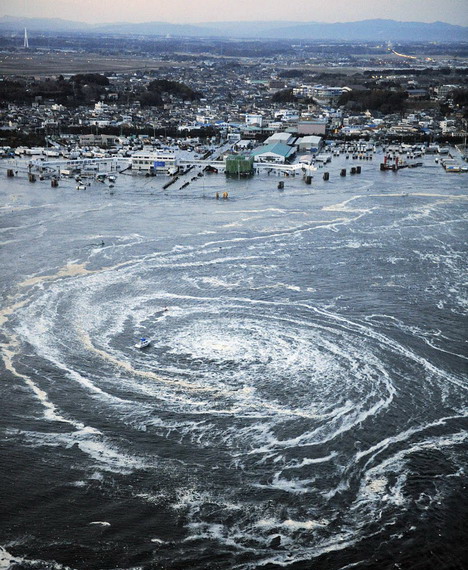
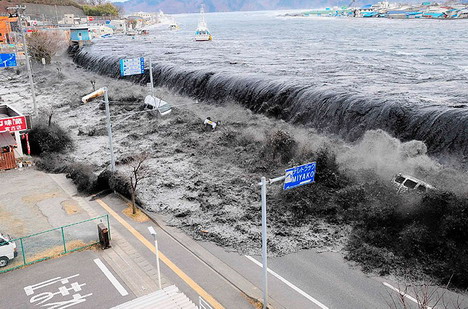
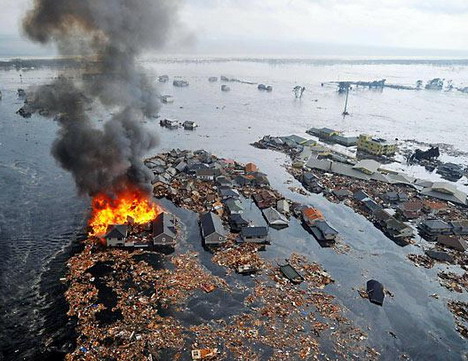
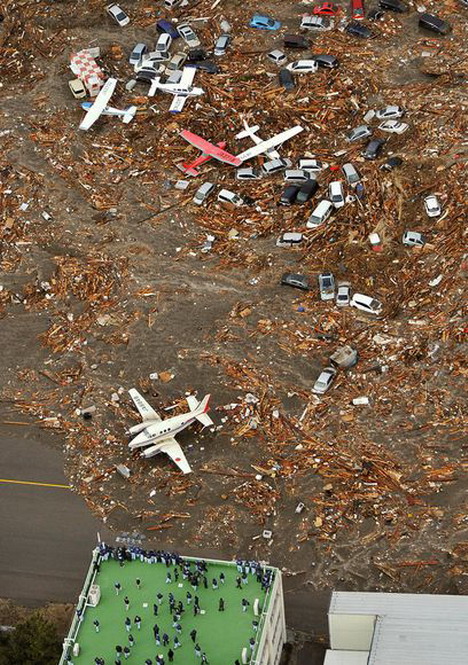
Tsunami
a_small_boat_gets_stuck_in_a_tsunami_whirlpool
A small boat gets stuck in a tsunami whirlpool.tsunami_ploughed_into_tragic_miyako_city_japan
Tsunami ploughed into tragic Miyako city, Japan waves_of_tsunami_topple_trees
Waves of tsunami topple trees
houses_swallowed_by_tsunami
Houses swallowed by the tsunami burn in Sendai, Miyagi

houses_swept_by_a_tsunami
Houses swept by a tsunami

tsunami_hits_airport_in_sendai_japan
Tsunami hits airport in Sendai, Japan

Earthquake
fractured_road_in_japan
Fractured road, Japan

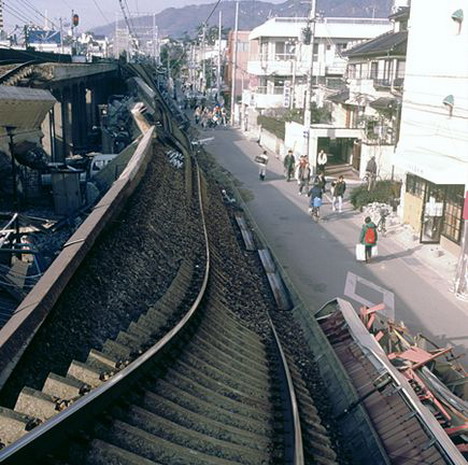
twisted_railroad_japan
Twisted railroad, Japan

collapsed_bridge_guatemala
Collapsed bridge, Guatemala

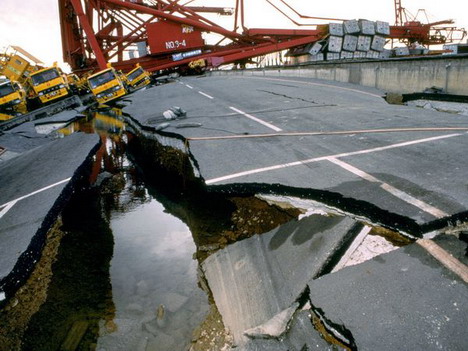
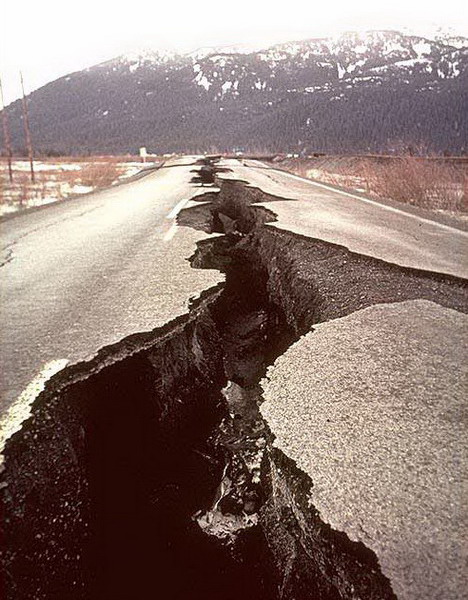
a_rupture_forms_in_road_after_an_earthquake
A rupture forms in road after an earthquake

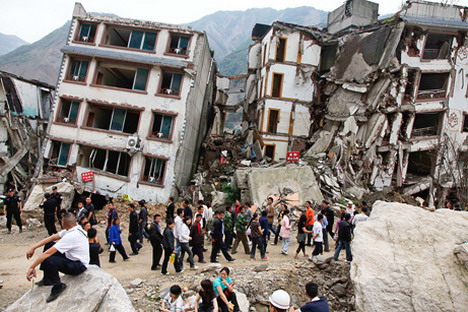
a_massive_earthquake_struck_southwest_china
A massive earthquake struck southwest China

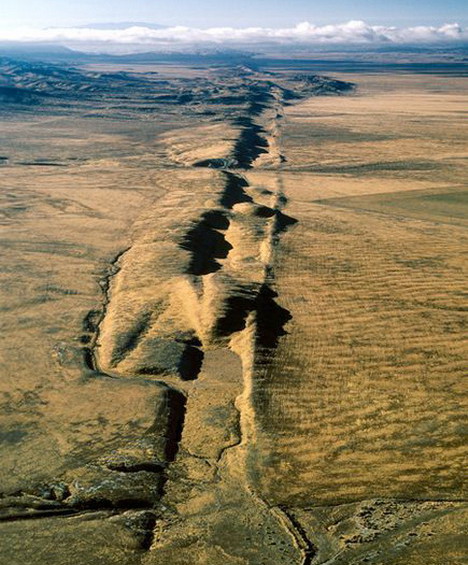
san_andreas_fault_california
San Andreas Fault, California

Wildfire
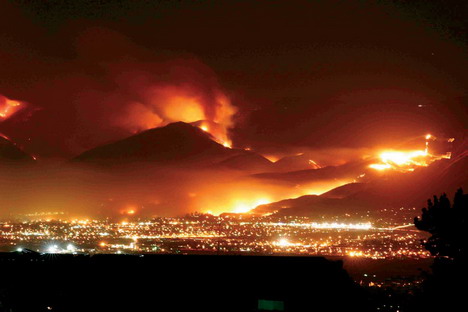
san_diego_wildfires
San Diego wildfires

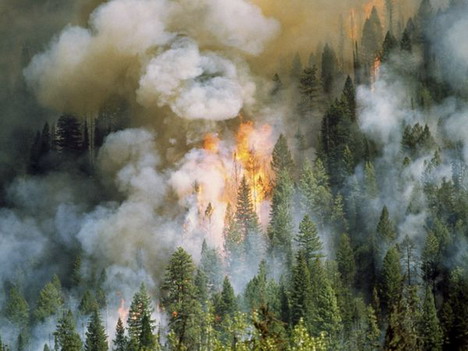
boise_forest_fire
Boise forest fire

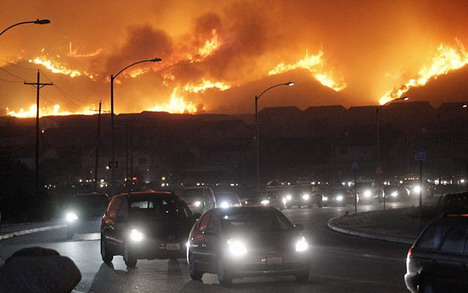
wildfires_force_evacuations_in_la
Wildfires force evacuations in L.A.

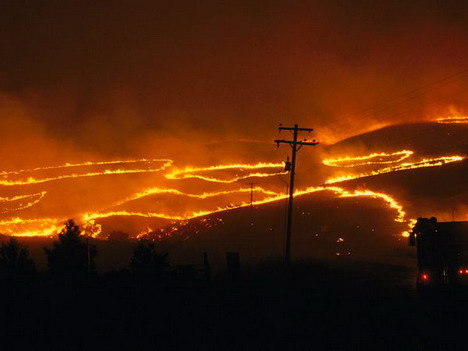
idaho_fire
Idaho fire

Volcano
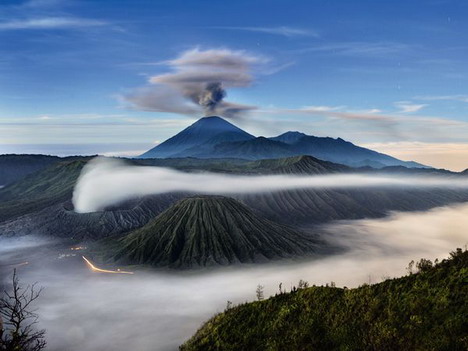
three_volcanoes_mount_semeru_mount_bromo_and_mount_batok_in_indonesia
Three volcanoes – Mount Semeru, Mount Bromo and Mount Batok in Indonesia

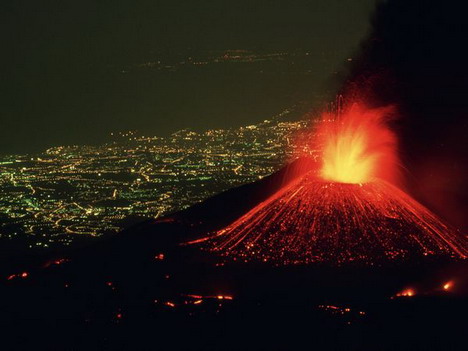
mount_etna_in_italy
Mount Etna, Italy

volcanic_lightning
Volcanic lightning

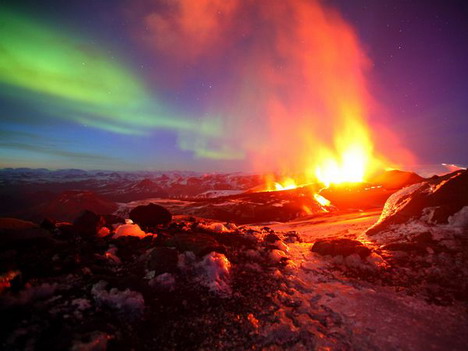
two_eruptions
Two eruptions

ash_cloud
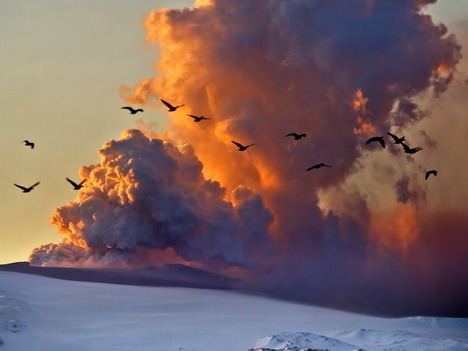
Ash cloud

Tornado
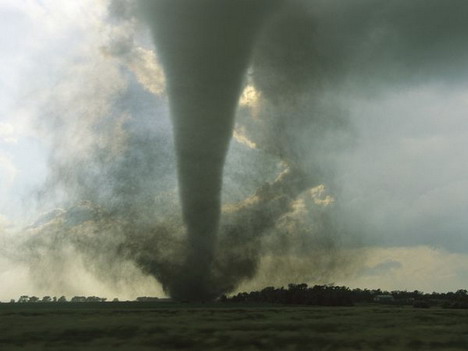
a_mother_ship_cloud_formation_hovers_over_childress_texas
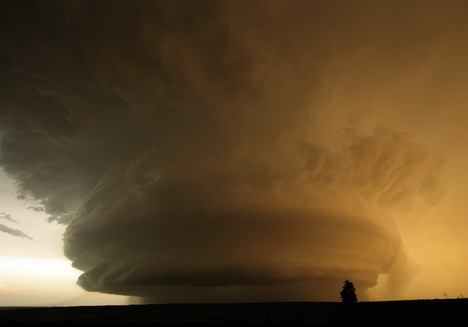
A mother ship cloud formation hovers over Childress, Texas

violent_tornado_in_northeastern_iowa
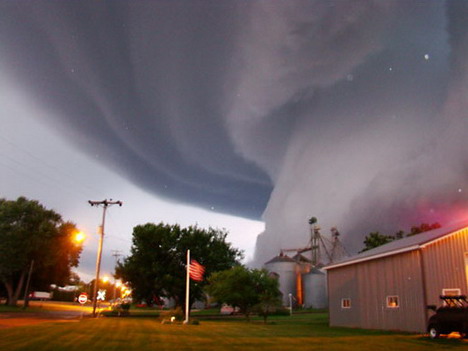
Violent tornado in northeastern Iowa

water_spout
Waterspout

curved_tornado
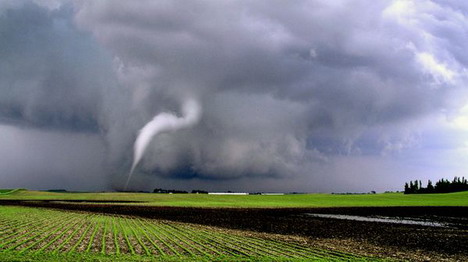
Curved tornado

south_dakota_tornado
South Dakota tornado

big_tornado
Big tornado

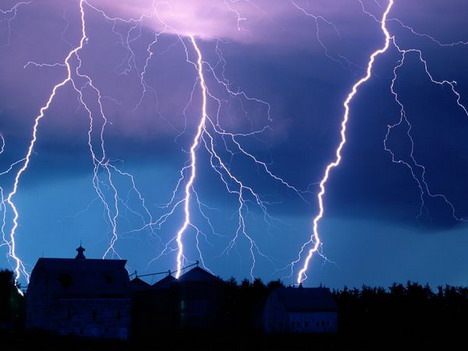
Lightning
city_strike
City strike

bolts_on_the_water
Bolts on the water

cn_tower_canada
CN tower, Canada

lightning_over_miami
Lightning over Miami

lightning_at_night_walton_nebraska
Lightning at night, Walton, Nebraska

Other Natural Disasters
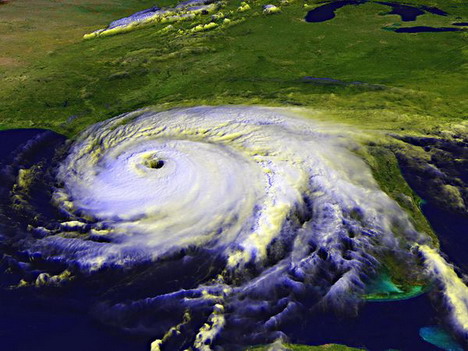
hurricane_ivan
Hurricane Ivan

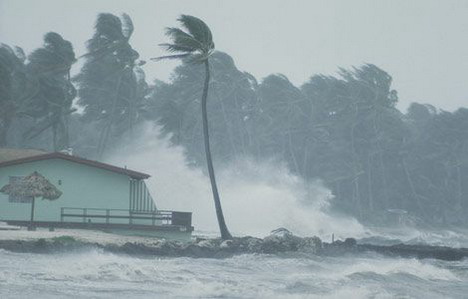
hurricane_winds
Hurricane winds

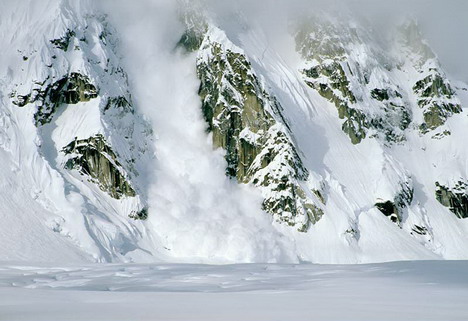
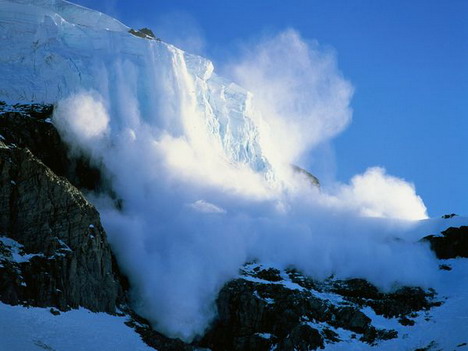
avalanche_in_mt_rainier_national_park_in_washington
Avalanche in Mt. Rainier National Park in Washington

rock_mountain_avalanche
Rock mountain avalanche

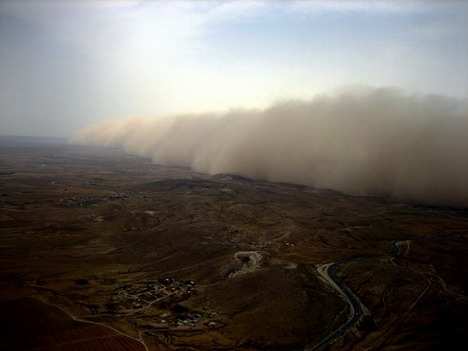
a_sandstorm_engulfs_the_saudi_capital
A sandstorm engulfs the Saudi capital


sandstorm_strikes_israel
Sandstorm strikes Israel

How to create a stored procedure(SQL Server Management Studio)

This topic describes how to create a Transact-SQL stored procedure by using Object Explorer in SQL Server Management Studio and provides an example that creates a simple stored procedure in the AdventureWorks2008R2 database.

To create a stored procedure

  1. In Object Explorer, connect to an instance of Database Engine and then expand that instance.
  2. Expand Databases, expand the database in which the stored procedure belongs, and then expand Programmability.
  3. Right-click Stored Procedures, and then click New Stored Procedure.
  4. On the Query menu, click Specify Values for Template Parameters.
  5. In the Specify Values for Template Parameters dialog box, the Value column contains suggested values for the parameters. Accept the values or replace them with new values, and then click OK.
  6. In the query editor, replace the SELECT statement with the statements for your procedure.
  7. To test the syntax, on the Query menu, click Parse.
  8. To create the stored procedure, on the Query menu, click Execute.
  9. To save the script, on the File menu, click Save. Accept the file name or replace it with a new name, and then click Save.

    To create a stored procedure example

  10. In Object Explorer, connect to an instance of Database Engine and then expand that instance.
  11. Expand Databases, expand the AdventureWorks2008R2 database, and then expand Programmability.
  12. Right-click Stored Procedures, and then click New Stored Procedure.
  13. On the Query menu, click Specify Values for Template Parameters.
  14. In the Specify Values for Template Parameters dialog box, enter the following values for the parameters shown.
    ParameterValue
    AuthorYour name
    Create DateToday's date
    DescriptionReturns employee data.
    Procedure_nameHumanResources.uspGetEmployees
    @Param1@LastName
    @Datatype_For_Param1nvarchar(50)
    Default_Value_For_Param1NULL
    @Param2@FirstName
    @Datatype_For_Param2nvarchar(50)
    Default_Value_For_Param2NULL
  15. Click OK.
  16. In the query editor, replace the SELECT statement with the following statement:
    SELECT FirstName, LastName, JobTitle, Department
        FROM HumanResources.vEmployeeDepartment
        WHERE FirstName = @FirstName AND LastName = @LastName;
    1. To test the syntax, on the Query menu, click Parse. If an error message is returned, compare the statements with the information above and correct as needed.
    2. To create the stored procedure, on the Query menu, click Execute.
    3. To save the script, on the File menu, click Save. Enter a new file name, and then click Save.
    4. To run the stored procedure, on the toolbar, click New Query.
    5. In the query window, enter the following statements:
      USE AdventureWorks2008R2;
      GO
      EXECUTE HumanResources.uspGetEmployees @FirstName = N'Diane', @LastName = N'Margheim';
      On the Query menu, click Execute.
      GO

Friday, March 18, 2011

IP Internet protocol

Internet Protocol: IP Addresses

Every machine on the Internet has a unique identifying number, called an IP Address. The IP stands for Internet Protocol, which is the language that computers use to communicate over the Internet. A protocol is the pre-defined way that someone who wants to use a service talks with that service. The "someone" could be a person, but more often it is a computer program like a Web browser.
A typical IP address looks like this:


216.27.61.137
To make it easier for us humans to remember, IP addresses are normally expressed in decimal format as a dotted decimal number like the one above. But computers communicate in binary form. Look at the same IP address in binary:


11011000.00011011.00111101.10001001
The four numbers in an IP address are called octets, because they each have eight positions when viewed in binary form. If you add all the positions together, you get 32, which is why IP addresses are considered 32-bit numbers. Since each of the eight positions can have two different states (1 or zero), the total number of possible combinations per octet is 28 or 256. So each octet can contain any value between zero and 255. Combine the four octets and you get 232 or a possible 4,294,967,296 unique values!
Out of the almost 4.3 billion possible combinations, certain values are restricted from use as typical IP addresses. For example, the IP address 0.0.0.0 is reserved for the default network and the address 255.255.255.255 is used for broadcasts.
The octets serve a purpose other than simply separating the numbers. They are used to create classes of IP addresses that can be assigned to a particular business, government or other entity based on size and need. The octets are split into two sections: Net and Host. The Net section always contains the first octet. It is used to identify the network that a computer belongs to. Host (sometimes referred to as Node) identifies the actual computer on the network. The Host section always contains the last octet. There are five IP classes plus certain special addresses.

Internet Protocol: Domain Name System

When the Internet was in its infancy, it consisted of a small number of computers hooked together with modems and telephone lines. You could only make connections by providing the IP address of the computer you wanted to establish a link with. For example, a typical IP address might be 216.27.22.162. This was fine when there were only a few hosts out there, but it became unwieldy as more and more systems came online.
The first solution to the problem was a simple text file maintained by the Network Information Center that mapped names to IP addresses. Soon this text file became so large it was too cumbersome to manage. In 1983, the University of Wisconsin created the Domain Name System (DNS), which maps text names to IP addresses automatically

More information will be given in few days so please stay tune

Chemical Equilibrium

Definition of Chemical Equilibrium

Chemical equilibrium applies to reactions that can occur in both directions. In a reaction such as:
CH4(g) + H2O(g) <--> CO(g) + 3H2(g)
The reaction can happen both ways. So after some of the products are created the products begin to react to form the reactants. At the beginning of the reaction, the rate that the reactants are changing into the products is higher than the rate that the products are changing into the reactants. Therefore, the net change is a higher number of products.
Even though the reactants are constantly forming products and vice-versa the amount of reactants and products does become steady. When the net change of the products and reactants is zero the reaction has reached equilibrium. The equilibrium is a dynamic equilibrium. The definition for a dynamic equilibrium is when the amount of products and reactants are constant. (They are not equal but constant. Also, both reactions are still occurring.)

Equilibrium Constant

To determine the amount of each compound that will be present at equilibrium you must know the equilibrium constant. To determine the equilibrium constant you must consider the generic equation:
aA + bB <--> cC + dD
The upper case letters are the molar concentrations of the reactants and products. The lower case letters are the coefficients that balance the equation. Use the following equation to determine the equilibrium constant (Kc). Kc equation
For example, determining the equilibrium constant of the following equation can be accomplished by using the Kc equation.
Using the following equation, calculate the equilibrium constant.
N2(g) + 3H2(g) <--> 2NH3(g)
A one-liter vessel contains 1.60 moles NH3, .800 moles N2, and 1.20 moles of H2. What is the equilibrium constant?
example equilibrium constant
Answer: 1.85

Le Chatelier's Principle

Le Chatelier's principle states that when a system in chemical equilibrium is disturbed by a change of temperature, pressure, or a concentration, the system shifts in equilibrium composition in a way that tends to counteract this change of variable. The three ways that Le Chatelier's principle says you can affect the outcome of the equilibrium are as follows:
  • Changing concentrations by adding or removing products or reactants to the reaction vessel.
  • Changing partial pressure of gaseous reactants and products.
  • Changing the temperature.
These actions change each equilibrium differently, therefore you must determine what needs to happen for the reaction to get back in equilibrium.

Example involving change of concentration:

In the equation
2NO(g) + O2(g) <--> 2NO2(g)
If you add more NO(g) the equilibrium shifts to the right producing more NO2(g)
If you add more O2(g) the equilibrium shifts to the right producing more NO2(g)
If you add more NO2(g) the equilibrium shifts to the left producing more NO(g) and O2(g)

Example involving pressure change:

In the equation
2SO2(g) + O2(g) <--> 2SO3(g),
an increase in pressure will cause the reaction to shift in the direction that reduces pressure, that is the side with the fewer number of gas molecules. Therefore an increase in pressure will cause a shift to the right, producing more product. (A decrease in volume is one way of increasing pressure.)

Example involving temperature change:

In the equation
N2(g) + 3H2(g) <--> 2NH3 + 91.8 kJ,
an increase in temperature will cause a shift to the left because the reverse reaction uses the excess heat. An increase in forward reaction would produce even more heat since the forward reaction is exothermic. Therefore the shift caused by a change in temperature depends upon whether the reaction is exothermic or endothermic.

IUPAC Nomenclature for organic chemistry

Nomenclature

Naming Organic Compounds

The increasingly large number of organic compounds identified with each passing day, together with the fact that many of these compounds are isomers of other compounds, requires that a systematic nomenclature system be developed. Just as each distinct compound has a unique molecular structure which can be designated by a structural formula, each compound must be given a characteristic and unique name.
As organic chemistry grew and developed, many compounds were given trivial names, which are now commonly used and recognized. Some examples are:

Name MethaneButaneAcetoneToluene AcetyleneEthyl Alcohol
Formula CH4C4H10CH3COCH3CH3C6H5C2H2C2H5OH
Such common names often have their origin in the history of the science and the natural sources of specific compounds, but the relationship of these names to each other is arbitrary, and no rational or systematic principles underly their assignments.

The IUPAC Systematic Approach to Nomenclature

A rational nomenclature system should do at least two things. First, it should indicate how the carbon atoms of a given compound are bonded together in a characteristic lattice of chains and rings. Second, it should identify and locate any functional groups present in the compound. Since hydrogen is such a common component of organic compounds, its amount and locations can be assumed from the tetravalency of carbon, and need not be specified in most cases.
The IUPAC nomenclature system is a set of logical rules devised and used by organic chemists to circumvent problems caused by arbitrary nomenclature. Knowing these rules and given a structural formula, one should be able to write a unique name for every distinct compound. Likewise, given a IUPAC name, one should be able to write a structural formula. In general, an IUPAC name will have three essential features:
•  A root or base indicating a major chain or ring of carbon atoms found in the molecular structure.
•  A suffix or other element(s) designating functional groups that may be present in the compound.
•  Names of substituent groups, other than hydrogen, that complete the molecular structure.
As an introduction to the IUPAC nomenclature system, we shall first consider compounds that have no specific functional groups. Such compounds are composed only of carbon and hydrogen atoms bonded together by sigma bonds (all carbons are sp3 hybridized).
An excellent presentation of organic nomenclature is provided on a Nomenclature Page. created by Dave Woodcock.


Alkanes

Alkanes

Hydrocarbons having no double or triple bond functional groups are classified as alkanes or cycloalkanes, depending on whether the carbon atoms of the molecule are arranged only in chains or also in rings. Although these hydrocarbons have no functional groups, they constitute the framework on which functional groups are located in other classes of compounds, and provide an ideal starting point for studying and naming organic compounds. The alkanes and cycloalkanes are also members of a larger class of compounds referred to as aliphatic. Simply put, aliphatic compounds are compounds that do not incorporate any aromatic rings in their molecular structure.
The following table lists the IUPAC names assigned to simple continuous-chain alkanes from C-1 to C-10. A common "ane" suffix identifies these compounds as alkanes. Longer chain alkanes are well known, and their names may be found in many reference and text books. The names methane through decane should be memorized, since they constitute the root of many IUPAC names. Fortunately, common numerical prefixes are used in naming chains of five or more carbon atoms.

Examples of Simple Unbranched Alkanes

NameMolecular
Formula
Structural
Formula
Isomers
NameMolecular
Formula
Structural
Formula
Isomers
methaneCH4CH41
hexaneC6H14CH3(CH2)4CH35
ethaneC2H6CH3CH31
heptaneC7H16CH3(CH2)5CH39
propaneC3H8CH3CH2CH31
octaneC8H18CH3(CH2)6CH318
butaneC4H10CH3CH2CH2CH32
nonaneC9H20CH3(CH2)7CH335
pentaneC5H12CH3(CH2)3CH33
decaneC10H22CH3(CH2)8CH375
Some important behavior trends and terminologies:
  (i)   The formulas and structures of these alkanes increase uniformly by a CH2 increment.
 (ii)   A uniform variation of this kind in a series of compounds is called homologous.
(iii)   These formulas all fit the CnH2n+2 rule. This is also the highest possible H/C ratio for a stable hydrocarbon.
(iv)   Since the H/C ratio in these compounds is at a maximum, we call them saturated (with hydrogen).
Beginning with butane (C4H10), and becoming more numerous with larger alkanes, we note the existence of alkane isomers. For example, there are five C6H14 isomers, shown below as abbreviated line formulas (A through E):
Although these distinct compounds all have the same molecular formula, only one (A) can be called hexane. How then are we to name the others?
The IUPAC system requires first that we have names for simple unbranched chains, as noted above, and second that we have names for simple alkyl groups that may be attached to the chains. Examples of some common alkyl groups are given in the following table. Note that the "ane" suffix is replaced by "yl" in naming groups. The symbol R is used to designate a generic (unspecified) alkyl group.
Group  CH3–   C2H5–   CH3CH2CH2–   (CH3)2CH–   CH3CH2CH2CH2–   (CH3)2CHCH2–   CH3CH2CH(CH3)–   (CH3)3C–   R– 
Name  Methyl  Ethyl  Propyl  Isopropyl  Butyl  Isobutyl  sec-Butyl  tert-Butyl    Alkyl  

IUPAC Rules for Alkane Nomenclature

 1.   Find and name the longest continuous carbon chain.
 2.   Identify and name groups attached to this chain.
 3.   Number the chain consecutively, starting at the end nearest a substituent group.
 4.   Designate the location of each substituent group by an appropriate number and name.
 5.   Assemble the name, listing groups in alphabetical order.
    The prefixes di, tri, tetra etc., used to designate several groups of the same kind, are not considered when alphabetizing.
For the above isomers of hexane the IUPAC names are:   B  2-methylpentane    C  3-methylpentane    D  2,2-dimethylbutane    E  2,3-dimethylbutane
Halogen substituents are easily accommodated, using the names: fluoro (F-), chloro (Cl-), bromo (Br-) and iodo (I-). For example, (CH3)2CHCH2CH2Br would be named 1-bromo-3-methylbutane. If the halogen is bonded to a simple alkyl group an alternative "alkyl halide" name may be used. Thus, C2H5Cl may be named chloroethane (no locator number is needed for a two carbon chain) or ethyl chloride.


Cycloalkanes

Cycloalkanes

      Cycloalkanes have one or more rings of carbon atoms. The simplest examples of this class consist of a single, unsubstituted carbon ring, and these form a homologous series similar to the unbranched alkanes. The IUPAC names of the first five members of this series are given in the following table. The last (yellow shaded) column gives the general formula for a cycloalkane of any size. If a simple unbranched alkane is converted to a cycloalkane two hydrogen atoms, one from each end of the chain, must be lost. Hence the general formula for a cycloalkane composed of n carbons is CnH2n. Although a cycloalkane has two fewer hydrogens than the equivalent alkane, each carbon is bonded to four other atoms so such compounds are still considered to be saturated with hydrogen.

Examples of Simple Cycloalkanes

Name Cyclopropane Cyclobutane Cyclopentane Cyclohexane Cycloheptane Cycloalkane
Molecular
Formula
C3H6 C4H8 C5H10 C6H12 C7H14 CnH2n
Structural
Formula
(CH2)n
Line
Formula
Substituted cycloalkanes are named in a fashion very similar to that used for naming branched alkanes. The chief difference in the rules and procedures occurs in the numbering system. Since all the carbons of a ring are equivalent (a ring has no ends like a chain does), the numbering starts at a substituted ring atom.

IUPAC Rules for Cycloalkane Nomenclature

 1.   For a monosubstituted cycloalkane the ring supplies the root name (table above) and the substituent group is named as usual. A location number is unnecessary.
 2.   If the alkyl substituent is large and/or complex, the ring may be named as a substituent group on an alkane.
 3.   If two different substituents are present on the ring, they are listed in alphabetical order, and the first cited substituent is assigned to carbon #1. The numbering of ring carbons then continues in a direction (clockwise or counter-clockwise) that affords the second substituent the lower possible location number.
 4.   If several substituents are present on the ring, they are listed in alphabetical order. Location numbers are assigned to the substituents so that one of them is at carbon #1 and the other locations have the lowest possible numbers, counting in either a clockwise or counter-clockwise direction.
 5.   The name is assembled, listing groups in alphabetical order and giving each group (if there are two or more) a location number. The prefixes di, tri, tetra etc., used to designate several groups of the same kind, are not considered when alphabetizing.
For examples of how these rules are used in naming substituted cycloalkanes   .
Small rings, such as three and four membered rings, have significant angle strain resulting from the distortion of the sp3 carbon bond angles from the ideal 109.5º to 60º and 90º respectively. This angle strain often enhances the chemical reactivity of such compounds, leading to ring cleavage products. It is also important to recognize that, with the exception of cyclopropane, cycloalkyl rings are not planar (flat). The three dimensional shapes assumed by the common rings (especially cyclohexane and larger rings) are described and discussed in the Conformational Analysis Section.
Hydrocarbons having more than one ring are common, and are referred to as bicyclic (two rings), tricyclic (three rings) and in general, polycyclic compounds. The molecular formulas of such compounds have H/C ratios that decrease with the number of rings. In general, for a hydrocarbon composed of n carbon atoms associated with m rings the formula is: CnH(2n + 2 - 2m). The structural relationship of rings in a polycyclic compound can vary. They may be separate and independent, or they may share one or two common atoms. Some examples of these possible arrangements are shown in the following table.

Examples of Isomeric C8H14 Bicycloalkanes

Isolated Rings Spiro Rings Fused Rings Bridged Rings
No common atoms One common atom One common bond Two common atoms